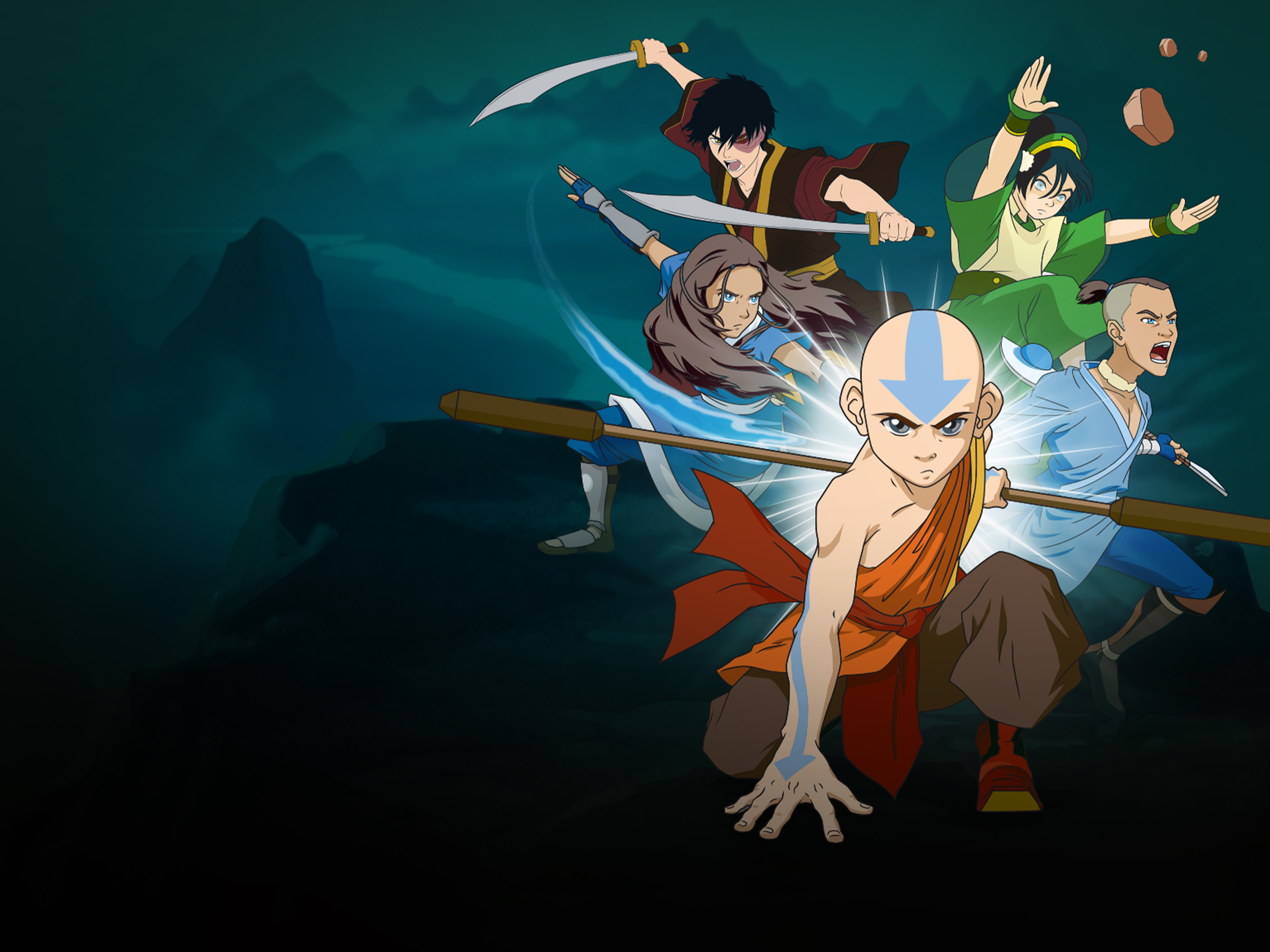
Avatar: The Last Airbender is a beautiful series. The care put into its animation, world-building, and characters is still exceptional. There’s plenty to enjoy in the adventure, and the characters’ growth gives the story something worth thinking about long after an episode ends.
One thing that stands out is the animation. There’s so much detail and precision in the movement. You can see the care in how the characters move and how bending is brought to life. It makes the action feel convincing within that world. That attention to detail carries through to the people who live in it.
Characters with room to grow
Aang is playful, and you can see that he’s still a child who wants to enjoy his life. Being the Avatar asks an enormous amount of him. His growth comes from learning to accept that responsibility while holding on to who he is.
Katara begins with the desire to become a better waterbender, and it’s wonderful to watch her skill develop. Her care for others and the wisdom she gains matter just as much.
Then there’s Sokka. In a group with so much bending ability, he has to find other ways to contribute. His ingenuity and creativity help him keep up and make him valuable to the group. As exciting as bending is, there’s something satisfying about seeing someone use his ideas to help the people around him.
Toph brings another perspective. She’s fiercely capable, and her independence matters deeply to her. Her relationship with her family gives that strength a personal context. The series makes room for that side of her as well.
Zuko’s search for his father’s approval and his desire to regain his honor shape so much of what he does. His travels through the Earth Kingdom give him reasons to question what he’s been told and what he believes about himself. Watching him wrestle with what the right path actually means is compelling, especially when so much of his life has been shaped by someone else’s expectations.
Lessons worth reflecting on
One of Iroh’s lessons is that pride can be the source of shame, and humility is how we begin to move beyond it. It’s a lesson worth thinking about at any age.
Guru Pathik introduces Aang to seven chakras, drawing on concepts from Hindu spiritual traditions. Chakra concepts also appear in some Buddhist traditions, and traditional systems differ. Avatar gives these ideas its own fictional interpretation.
Pathik’s seven stages are Earth, Water, Fire, Air, Sound, Light, and Thought. Each has a focus and an emotional obstacle. The connections he makes between pleasure and guilt, willpower and shame, and love and grief give viewers something to reflect on beyond the adventure.
The idea that love continues beyond loss is especially meaningful to me. I’ve found that facing grief rather than avoiding it has helped me become more loving and caring. Love can still be there even when something has changed or been lost.
I’ve spent time meditating on these ideas and thinking about what I want from life. That reflection has helped me accept myself and the different aspects of who I am. It’s one reason I appreciate how much thought Avatar gives to its characters’ inner lives.
Why I recommend Avatar
I’d recommend Avatar to both kids and adults. Its animation and carefully built world make it a pleasure to watch, while its characters give the adventure depth. There’s so much to enjoy and so much to take from the people living in that world.
You can watch it for the bending and the adventure, then find yourself thinking about responsibility, family, or the choices a person makes. Those qualities make Avatar worth watching and worth returning to.